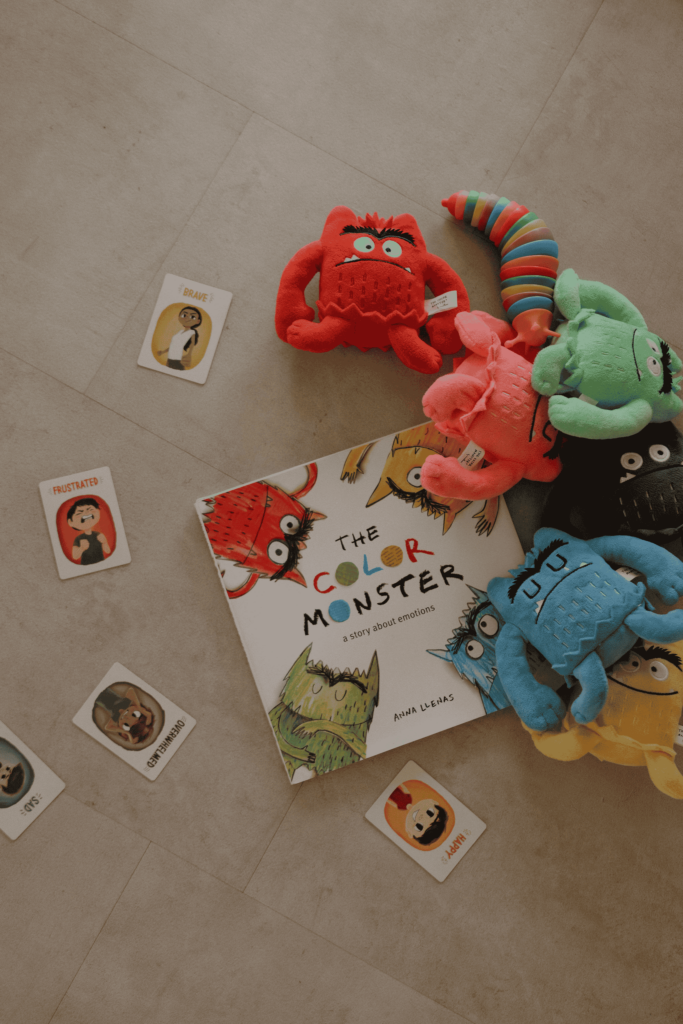
Psychotherapy for Children & Teenagers

Psychotherapy for children and teenagers provides a safe, supportive space for young people to process emotions, develop coping skills, and navigate life’s challenges with professional guidance, helping them build resilience and emotional intelligence during their crucial developmental years.

Psychotherapy for children and teenagers offers essential support during the formative years when young people are developing their sense of self and learning to navigate increasingly complex emotional and social challenges. Through age-appropriate therapeutic techniques, we help youth process difficult emotions, trauma, family changes, academic stress, and peer relationships in healthy ways. This early intervention can prevent long-term emotional difficulties while building crucial life skills like emotional regulation, effective communication, and healthy boundary setting. The therapeutic relationship provides a consistent, non-judgmental space where children and teens can feel truly heard and understood, leading to improved self-esteem, better academic performance, stronger family relationships, and the development of resilience that will serve them throughout their lives.

Benefits

1. Early Intervention: Addressing emotional and behavioral challenges during formative years can prevent more serious mental health issues from developing later in life and establish healthy coping patterns early.
2. Emotional Intelligence Development: Young people learn to identify, understand, and manage their emotions effectively, building skills that will serve them throughout their lives.
3. Safe Space for Expression: Therapy provides a confidential, judgment-free environment where children and teens can openly express their thoughts and feelings without fear of criticism or peer pressure.
4. Academic Support: By addressing underlying emotional issues and developing better focus and stress management skills, therapy often leads to improved academic performance and school engagement.
5. Family Relationship Enhancement: Therapy can help young people better communicate with parents and siblings, leading to stronger family bonds and reduced household conflict.
6. Social Skill Development: Children and teens learn valuable interpersonal skills, helping them navigate peer relationships, handle bullying, and build meaningful friendships.
7. Identity Formation Support: Therapy provides crucial support during the challenging process of identity development and self-discovery, particularly important during adolescence.
8. Trauma Processing: Professional support helps young people process and heal from difficult experiences, whether they’re major traumas or everyday stressors.
9. Anxiety and Depression Management: Young people learn practical tools to manage symptoms of anxiety, depression, and other mental health challenges in age-appropriate ways.
10. Behavioral Improvement: Therapy helps identify the root causes of behavioral issues and develops effective strategies for better self-regulation and impulse control.
11. Self-Esteem Building: Regular therapeutic support helps build confidence and a stronger sense of self-worth during crucial developmental periods.
12. Healthy Boundary Setting: Young people learn to establish and maintain healthy boundaries in relationships with family, friends, and peers.

The investment in child and teen mental health through therapy can have lasting positive impacts, setting the foundation for emotional wellbeing and success in adulthood while providing crucial support during challenging developmental stages.

Here are the main types of psychological interventions used in therapy with children and teenagers:

Play Therapy:
Particularly effective for younger children, where therapeutic work happens through:
- Structured play activities with specific therapeutic goals
- Free play that allows natural expression of feelings
- Art, sand tray, and puppet play
- Therapeutic games designed for emotional expression

Trauma-Focused Interventions:
- Trauma-Focused CBT
- EMDR (Eye Movement Desensitization and Reprocessing) adapted for youth
- Narrative therapy to process difficult experiences
- Somatic interventions for trauma processing

Cognitive Behavioral Therapy (CBT):
- Teaching thought awareness and challenging negative thinking patterns
- Problem-solving skills development
- Behavioral activation for depression
- Exposure therapy for anxiety
- Relaxation and coping skills training

Group Therapy:
- Social skills groups
- Support groups for specific issues (anxiety, divorce, grief)
- Teen process groups
- Skills-based groups (anger management, emotional regulation)

Family Systems Therapy:
- Working with the entire family unit to improve dynamics
- Parent-child relationship enhancement
- Communication skills building
- Addressing systemic patterns affecting the child

Expressive Arts Therapy:
- Art therapy
- Music therapy
- Dance/movement therapy
- Drama therapy

Dialectical Behavior Therapy (DBT) Adaptations:
- Emotional regulation skills
- Mindfulness practices
- Interpersonal effectiveness training
- Distress tolerance skills

Parent-Child Interaction Therapy:
- Direct coaching of parent-child interactions
- Behavior management strategies
- Attachment enhancement
- Positive reinforcement techniques

Solution-Focused Brief Therapy:
- Goal-oriented interventions
- Strength-based approaches
- Future-focused planning
- Building on existing resources

Mindfulness-Based Interventions:
- Age-appropriate meditation techniques
- Breathing exercises
- Body awareness activities
- Stress reduction practices

At Live Empowered Counseling we utilize an infusion intervention technique depends on factors like the child’s age, presenting struggles, family circumstances, and individual needs

Get in Touch

Let’s Chat, Reach Out to Us